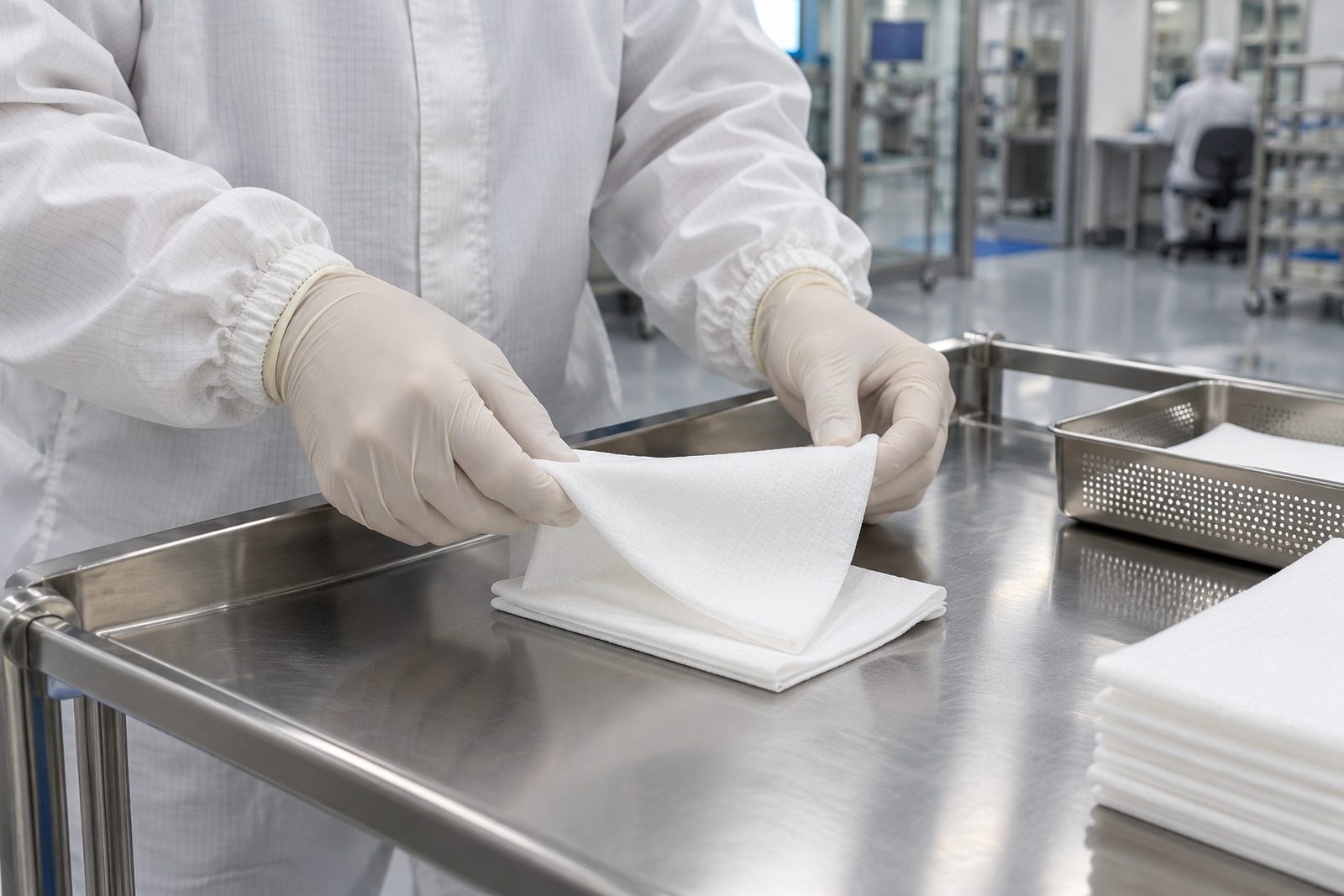

Measure the waste a cleaning program produces as well as the waste it removes. Start with disposable tools, product packaging, leftover solution, and water use.
Where cleaning waste comes from
Review disposable mop heads, wipes, pads, chemical packaging, and unused solution. Measure water at the equipment level where the equipment supports it.
Use purchasing, dispensing, and disposal records to establish a baseline. Keep the task and area covered consistent when comparing changes.
The microfiber case
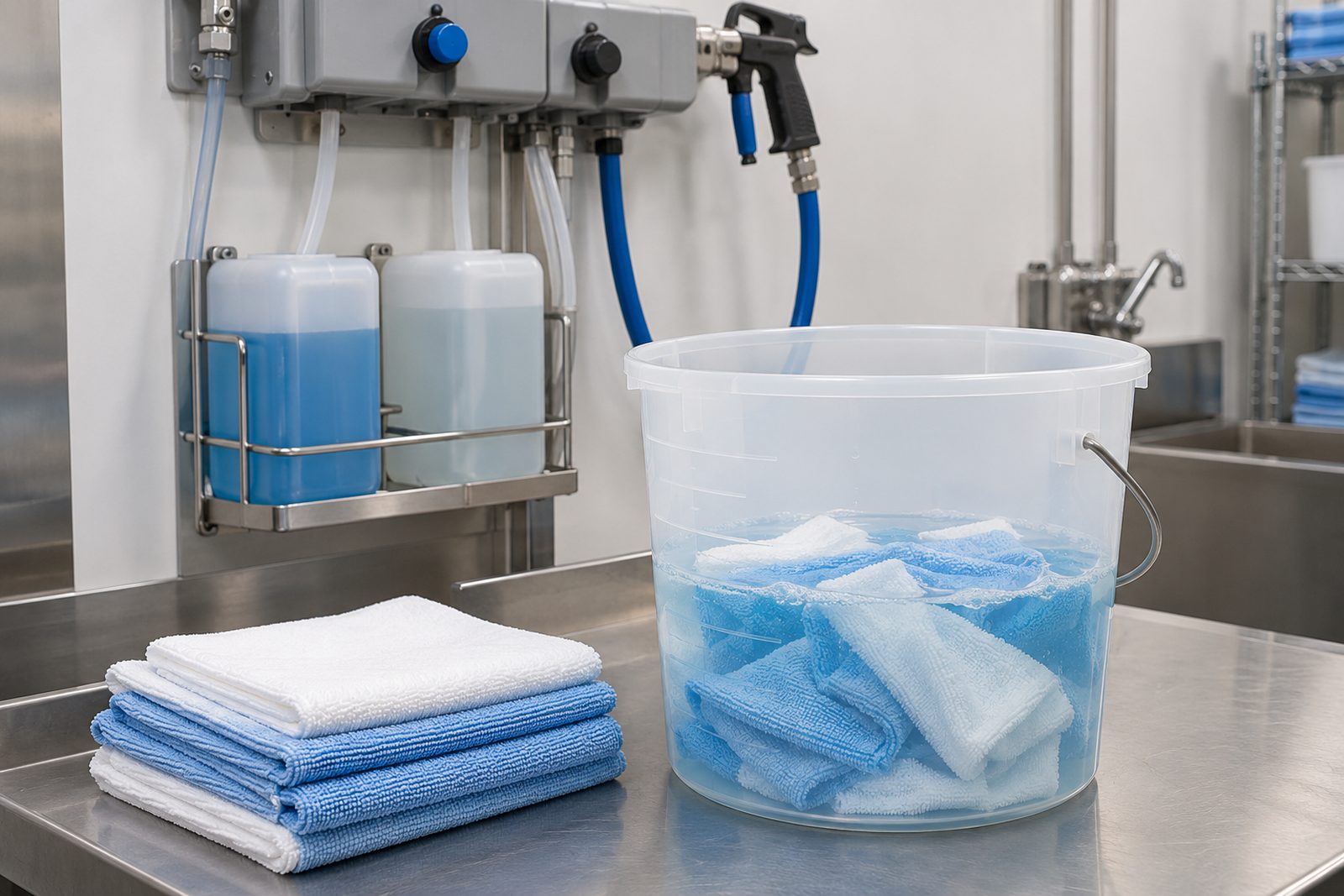
Assess microfiber by the task, material specification, and supplier instructions. Confirm that the site permits reusable tools in the intended zone.
Calculate cost per use from actual purchase, laundering, handling, and replacement costs. Use recorded service life rather than an assumed reuse count.
- Flat mop heads: follow the supplier laundering limits and inspection criteria.
- Cloths: document condition checks and replacement decisions.
- Color coding: assign tools to zones and train staff on the storage and handling rules.
- Laundering: follow the tool manufacturer instructions and the approved site procedure.
Dilution control and the cost of eyeballing
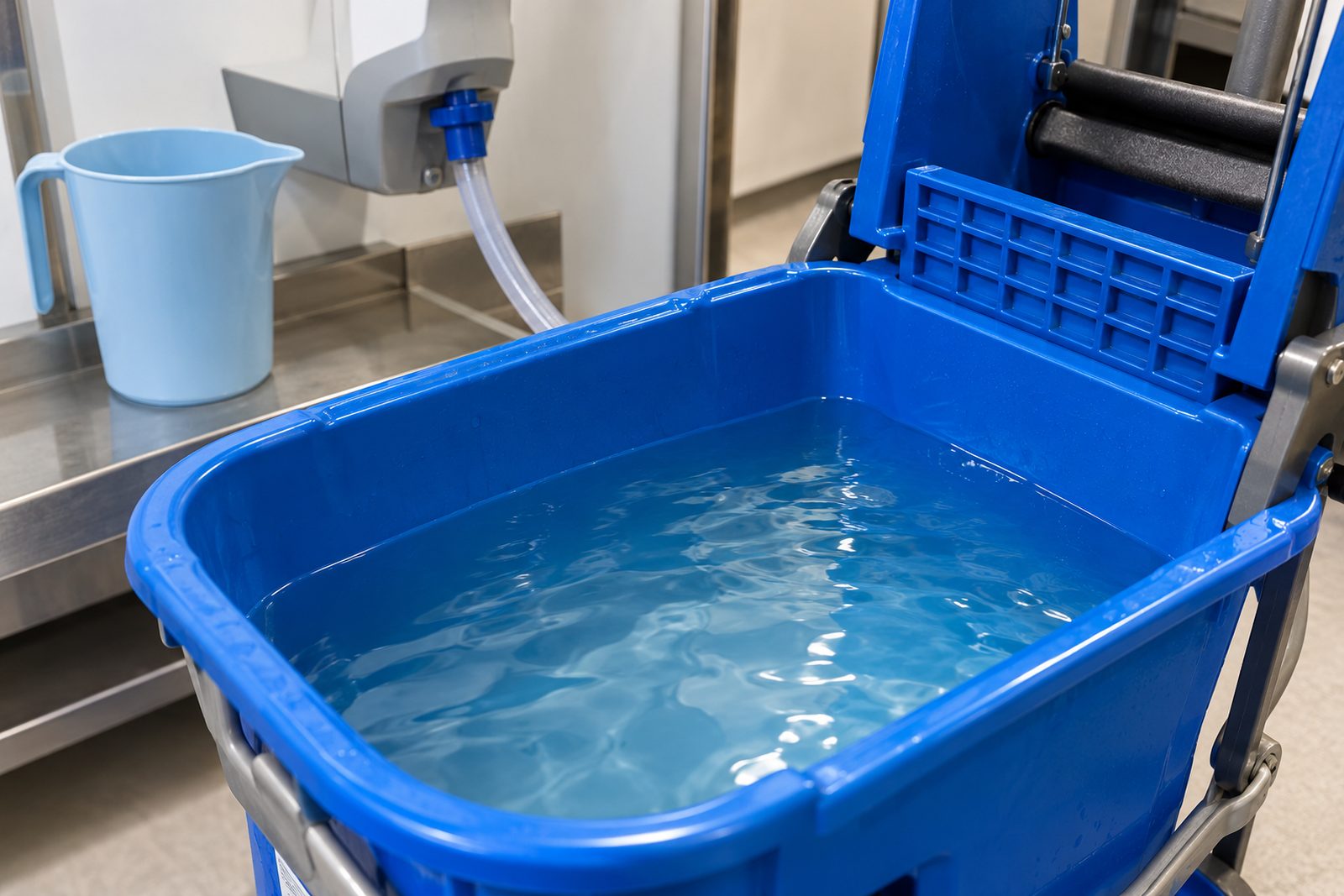
Check how crews measure concentrate and prepare solution. Compare actual use with the product directions and investigate unexplained differences.
A dilution system needs the correct product connection, setup, and maintenance. Verify its output according to supplier instructions. Evaluate savings using site consumption and equipment costs.
Keep a dispenser record showing the connected product, setup instructions, output checks, and reported faults. Ask staff to report an empty container or damaged connection before preparing more solution. Define who can adjust the equipment and where crews can find the approved alternative preparation method.
Follow the product dilution. Use the specified concentration and application method. Report unexpected residue to the supervisor and review the product and process before repeating the task.
Concentrates vs single-use packaging
Compare ready-to-use and concentrate products using actual container sizes, labeled dilution, handling needs, and packaging disposal. Do not assume that dilution ratio alone measures packaging savings.
Before changing packaging, check dispensing infrastructure, staff training, storage, and approved use. Measure the result after the change rather than promising a generic reduction.
Water efficiency in floor care
Compare floor care methods using measured water use and equivalent cleaning requirements. Include filling, rinsing, recovery, and disposal in the comparison.
Separate routine floor care records from spill response and other unusual work. Note the area cleaned, equipment used, solution prepared, and solution left over. Ask supervisors to review incomplete entries before comparing methods. Explain any estimate and keep the supporting records available for review.
Keep quality and site requirements in the assessment. Document the method, baseline, and observed use so the comparison can be repeated.