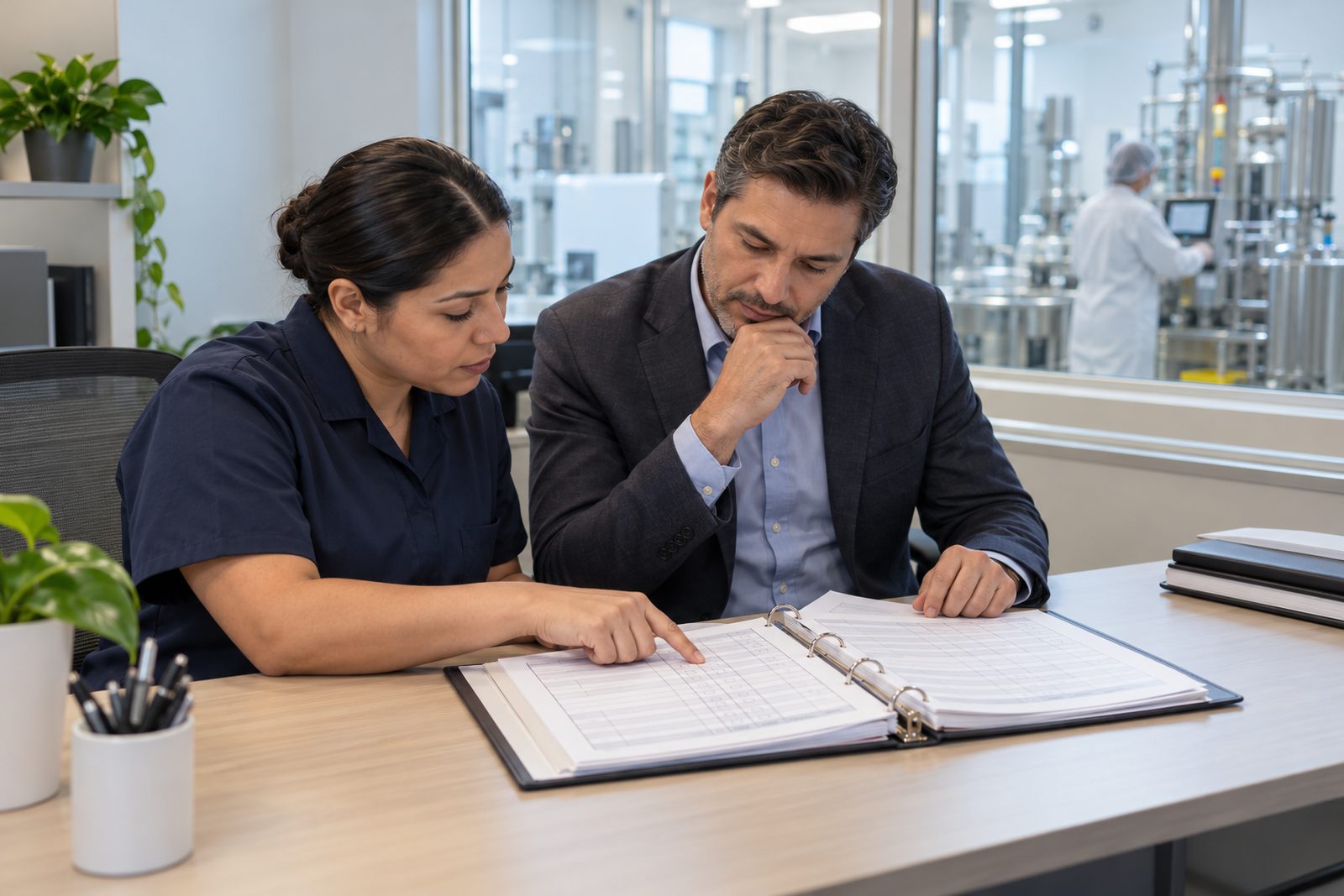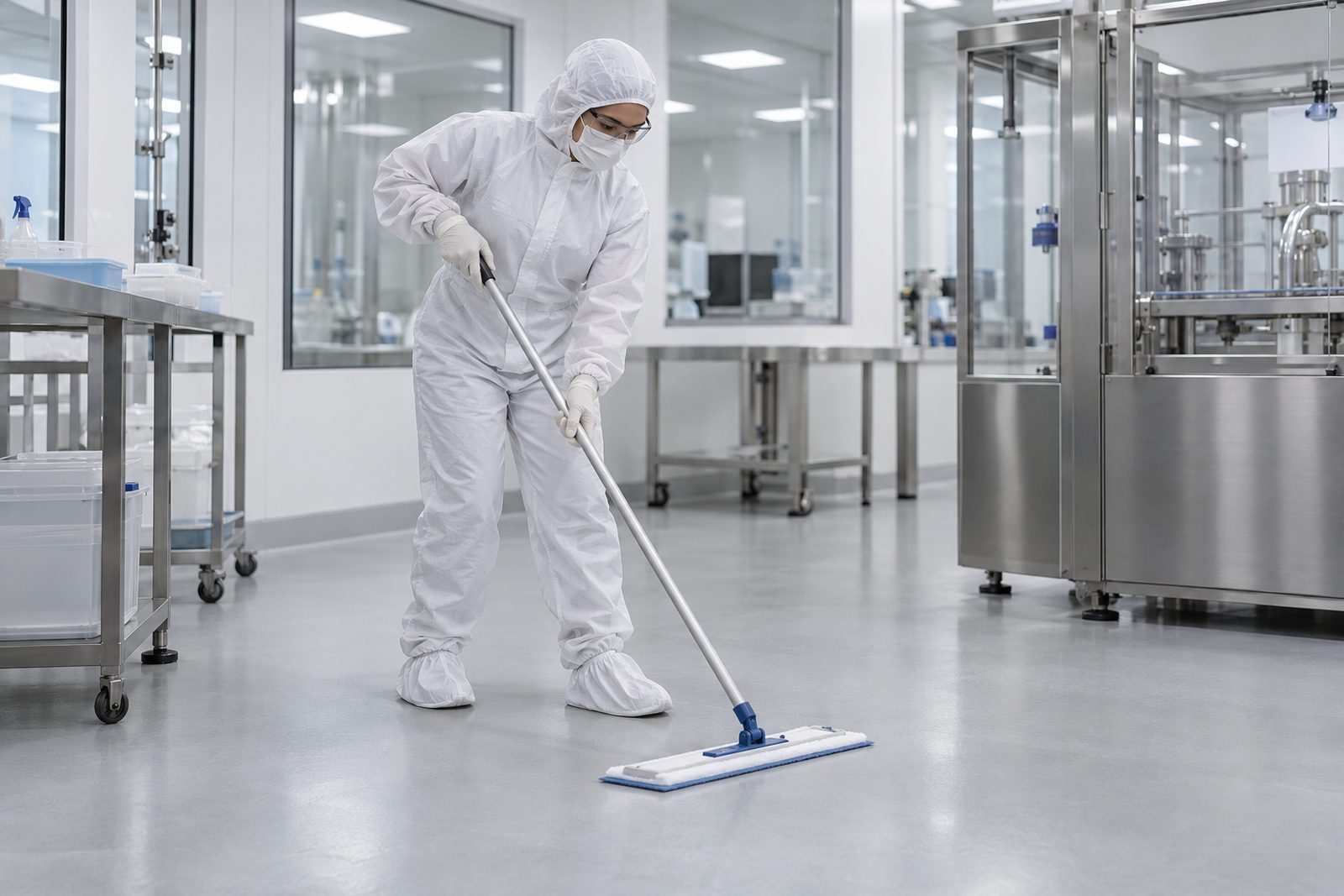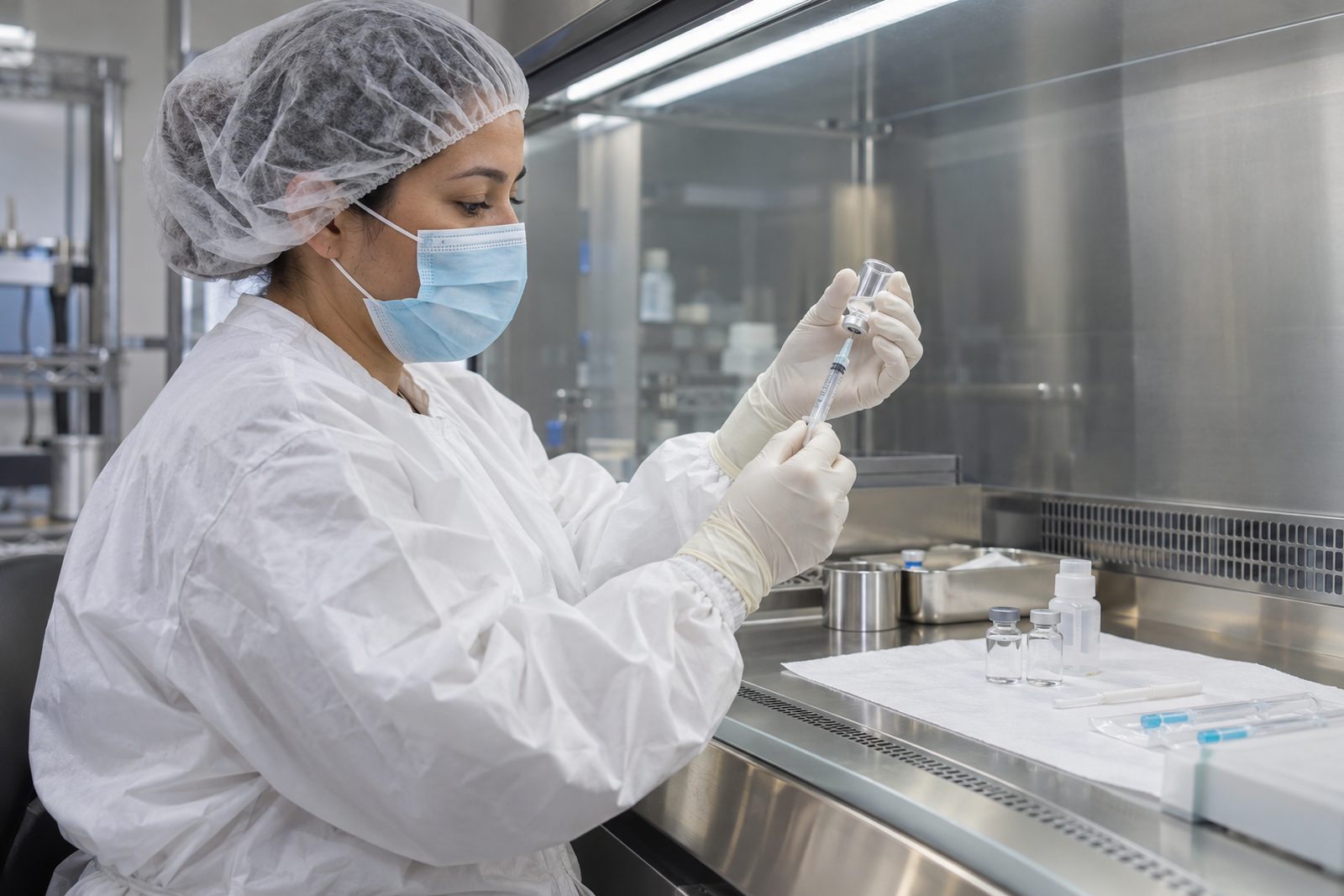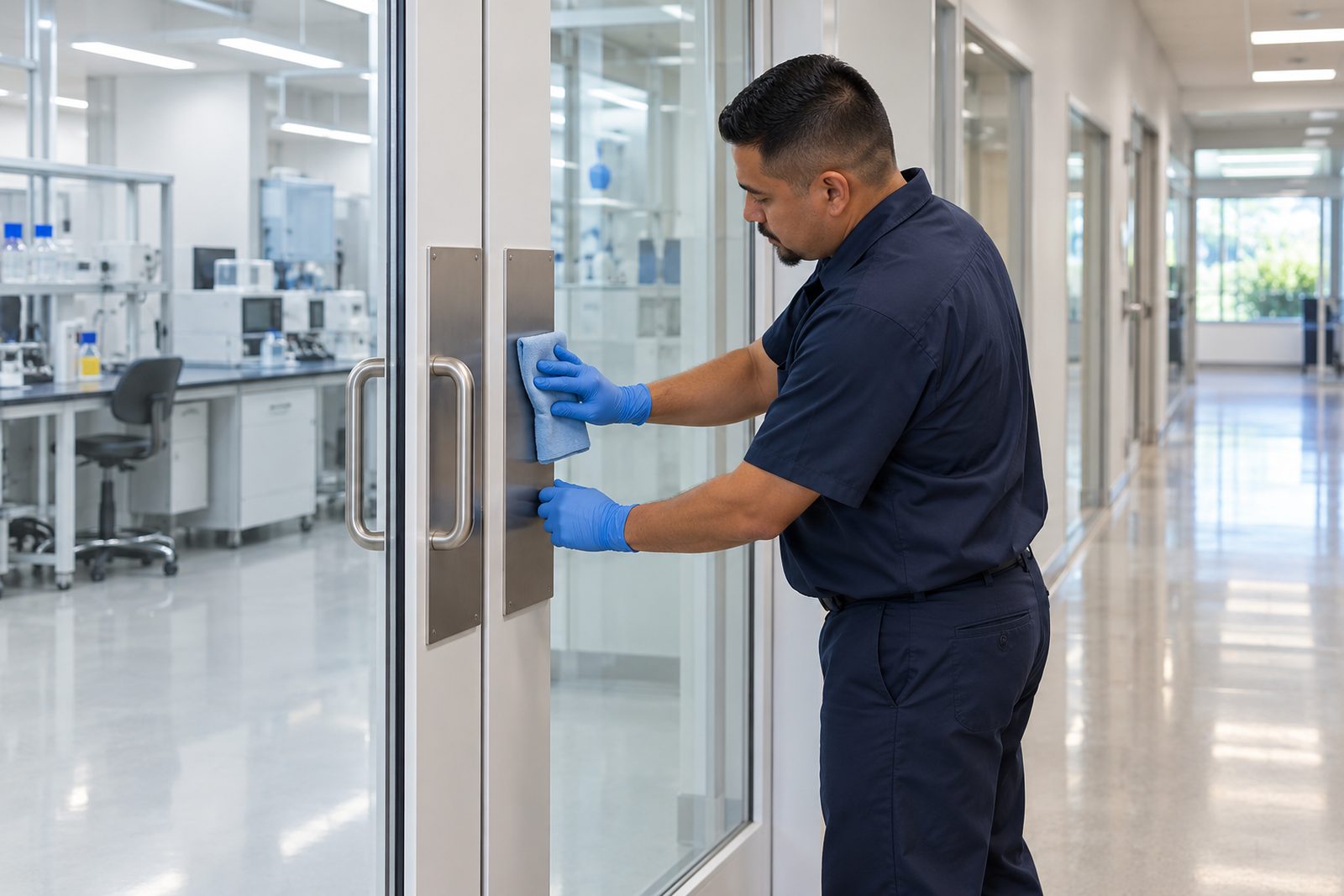

Maintain cleaning procedures, training and records as part of routine operations. An inspection-readiness review should check that the system reflects the work actually performed.
The pre-inspection scramble is a symptom
Suppose a team discovers incomplete records while preparing for an audit. Identify the gaps, preserve the originals and assess the required corrections. Do not reconstruct records as though they were completed at the time of work.
Review the document system throughout operations. Keep revisions controlled, training current and corrections traceable. An upcoming inspection does not change those principles.
Document hygiene as a daily discipline
Document hygiene is the practice of maintaining records in inspection-ready condition continuously, rather than correcting them before reviews. For cleaning documentation, this means:
- Completed fields at the time of each cleaning event — not at end of shift, not the next morning
- QA or supervisory review at the interval defined by the quality procedure
- SOP version numbers on log templates kept current with every revision
- Prepared-solution expiration dates logged and checked, not assumed
- Deviations entered and escalated the day they are discovered, not after the corrective action is already complete
Assign time, ownership and resources for record review. Track unresolved gaps until they have been assessed and addressed.
Mock audits and self-inspection
Use internal audits to assess cleaning procedures, training, records and monitoring against the applicable requirements. Record findings, assign actions and follow up on their completion.
Mock audits focused specifically on cleaning and environmental control are worth conducting separately from broader GMP audits, because the volume and specificity of cleaning documentation often makes it easy to overlook in a general review. A cleaning-focused mock audit would walk through: a sample of recent cleaning logs for completeness and SOP traceability, the current revision status of all cleaning SOPs and associated log templates, training records for all cleaning personnel against current SOP versions, and environmental monitoring trend data against alert and action limits.
Suppose an internal review identifies an obsolete cleaning form. Assess the affected records, update controlled copies and check whether staff need instruction. An internal review does not guarantee a particular inspection outcome.
What a cleaning partner contributes to readiness
A facilities-services partner working in a regulated environment contributes to audit readiness in a direct, measurable way: through the completeness and accessibility of their cleaning records. Every log entry is a data point in the facility's overall documentation posture. A vendor whose records are consistently complete, SOP-traceable, and available on demand strengthens the facility's readiness. A vendor whose records require chasing, correction, or interpretation weakens it.
This is a concrete evaluation criterion when selecting or retaining a cleaning partner for GMP, pharma, or life-science facilities in the Bay Area. Ask for a sample of recent cleaning logs. Ask what happens when an operator misses a field. Ask how deviations are reported and to whom. The answers to those questions reveal the vendor's actual quality system, not their marketing materials.
How readiness changes the work
Define how staff retrieve procedures, training evidence and cleaning records during a review. Practice that retrieval as part of an internal audit and address access gaps.
Use review findings to improve the quality system. Track corrections and assess whether they address the cause. Do not treat an absence of past observations as proof that future inspections will have the same result.
See our quality and compliance approach and our safety and compliance overview. To discuss documentation expectations for a service scope, contact us.