
Personnel, garments, materials, airflow and cleaning activity can introduce contamination. A contamination-control plan should assess these routes and assign controls for each.
People as a contamination source
People release skin particles, hair fragments and respiratory droplets. Gowning and controlled behavior help limit transfer into the environment. The contribution depends on the activity and garment system.
Mitigation: Define garments, entry controls and behavior through the site assessment. Include aseptic technique and behavior in training alongside protective equipment.
Garments and gowning failures
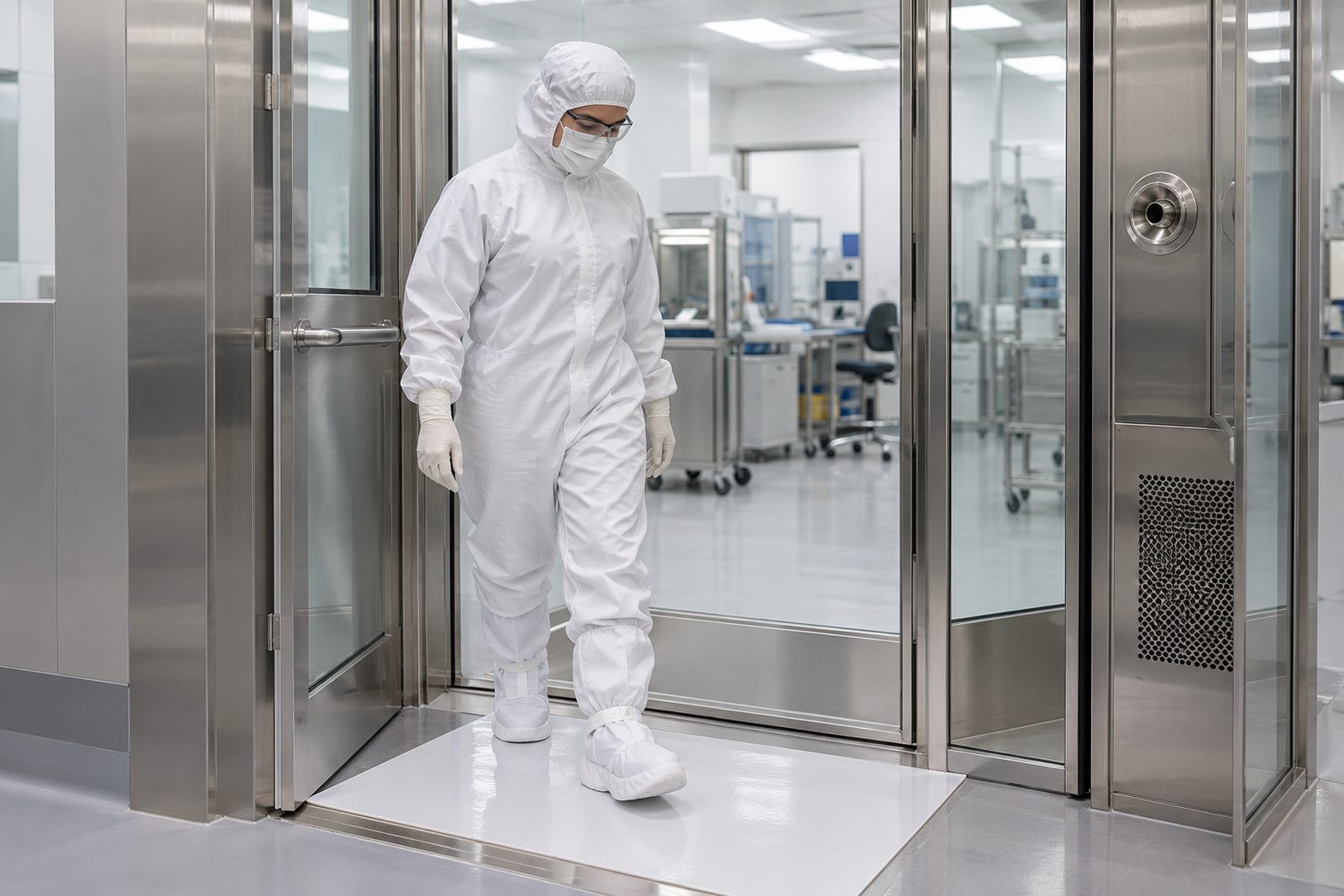
Torn or incorrectly donned garments can compromise contamination control. Check closures, cuffs, fit and condition against the approved procedure. Replace damaged or single-use items as directed.
Mitigation: Define garment qualification, laundering and inspection requirements through the site program. Provide gowning instructions and assess technique at the approved intervals.
The cleaning process itself
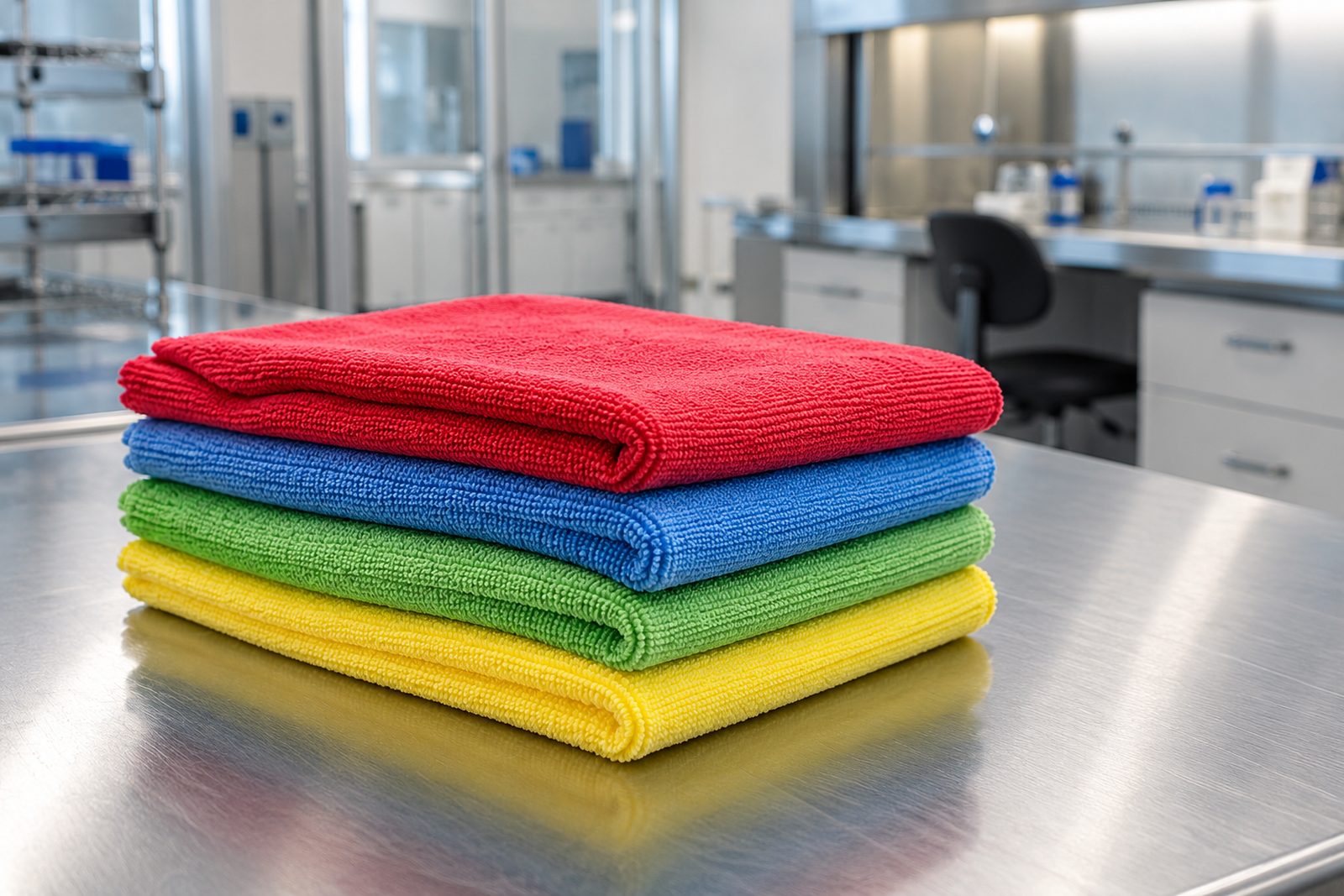
Cleaning can introduce contamination when tools, agents or technique are unsuitable. A soiled wiper can transfer material to another surface. Assess application methods for particle release, splashing and chemical exposure.
Mitigation: Specify the wipe pattern, replacement points and zone-specific tools in the approved procedure. Review cleanroom cleaning protocols with the quality team.
Incoming materials and packaging
Assess packaging, carts, tool cases and containers for contamination before entry. Define where outer packaging is removed and how permitted materials are transferred.
Mitigation: Define how packaging is removed and containers are cleaned before transfer. Use the approved agent and contact time. Document which materials may cross each boundary.
HVAC and airflow disruption
Cleanroom airflow depends on the installation design, filter performance and operating conditions. Open doors, blocked returns and equipment placement can affect airflow. Room class alone does not establish whether airflow is unidirectional.
Mitigation: Air balance verification after any room reconfiguration. Door discipline enforced by airlocks and interlocks where possible. Cleaning staff trained to identify and avoid behaviors that disrupt laminar flow — including not rolling equipment carts at high speed through differential-pressure boundaries.
Water, residues, and wet surfaces
Assess pooled water and residual cleaning agents as potential contamination risks. Specify water quality, drainage, drying and residue removal through the site assessment.
Mitigation: Specify rinse-water quality, drying and residue removal through the site assessment. Do not select a water grade solely from the ISO class. Include these steps in disinfection programs.
Traffic patterns and behavior
Suppose maintenance staff need access during production. Plan the route, gowning and authorization before entry. Assess unplanned traffic and bypassed entry controls as contamination risks.
Mitigation: Document routes and entry requirements for staff, visitors and contractors. Define role-specific differences through the site assessment.