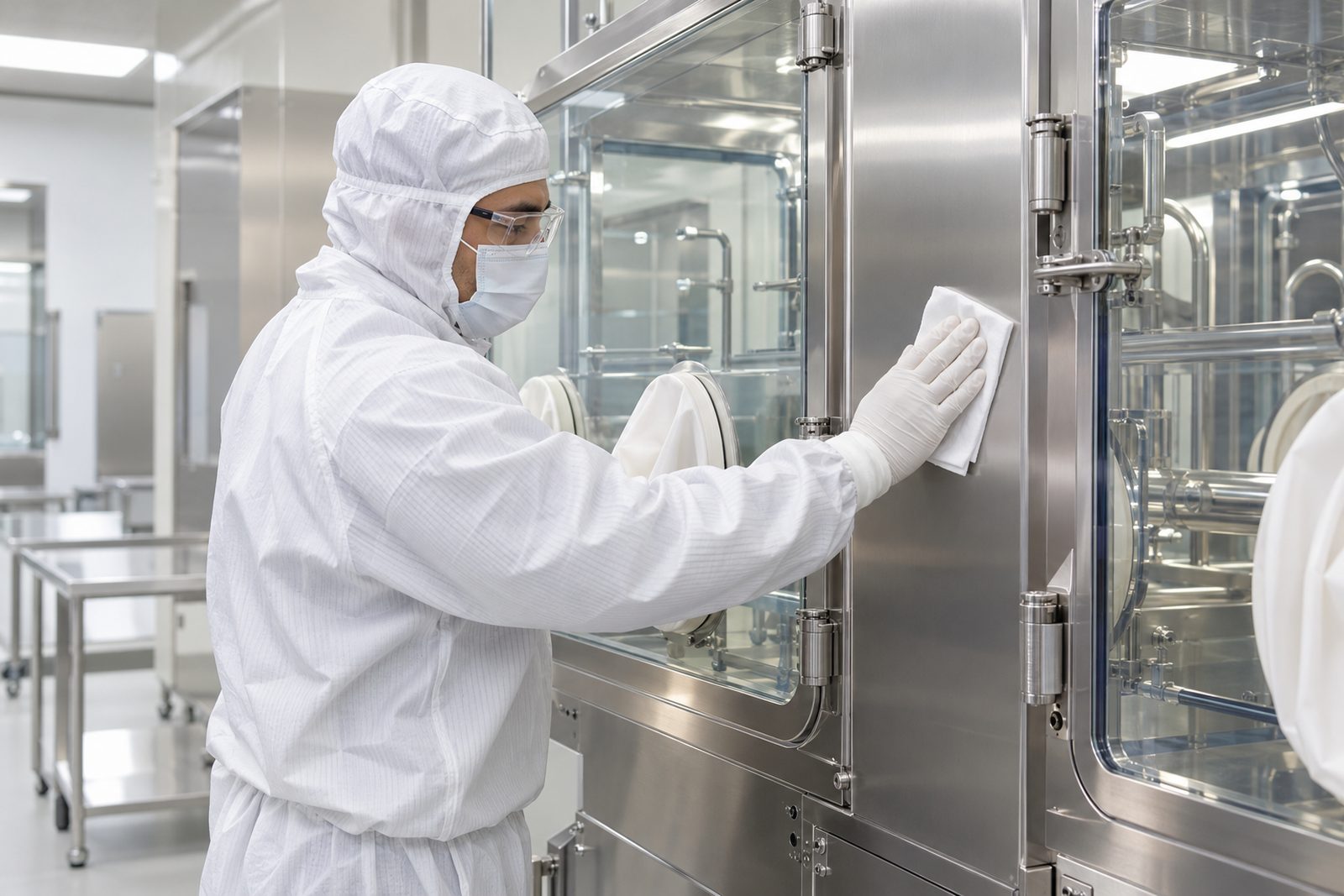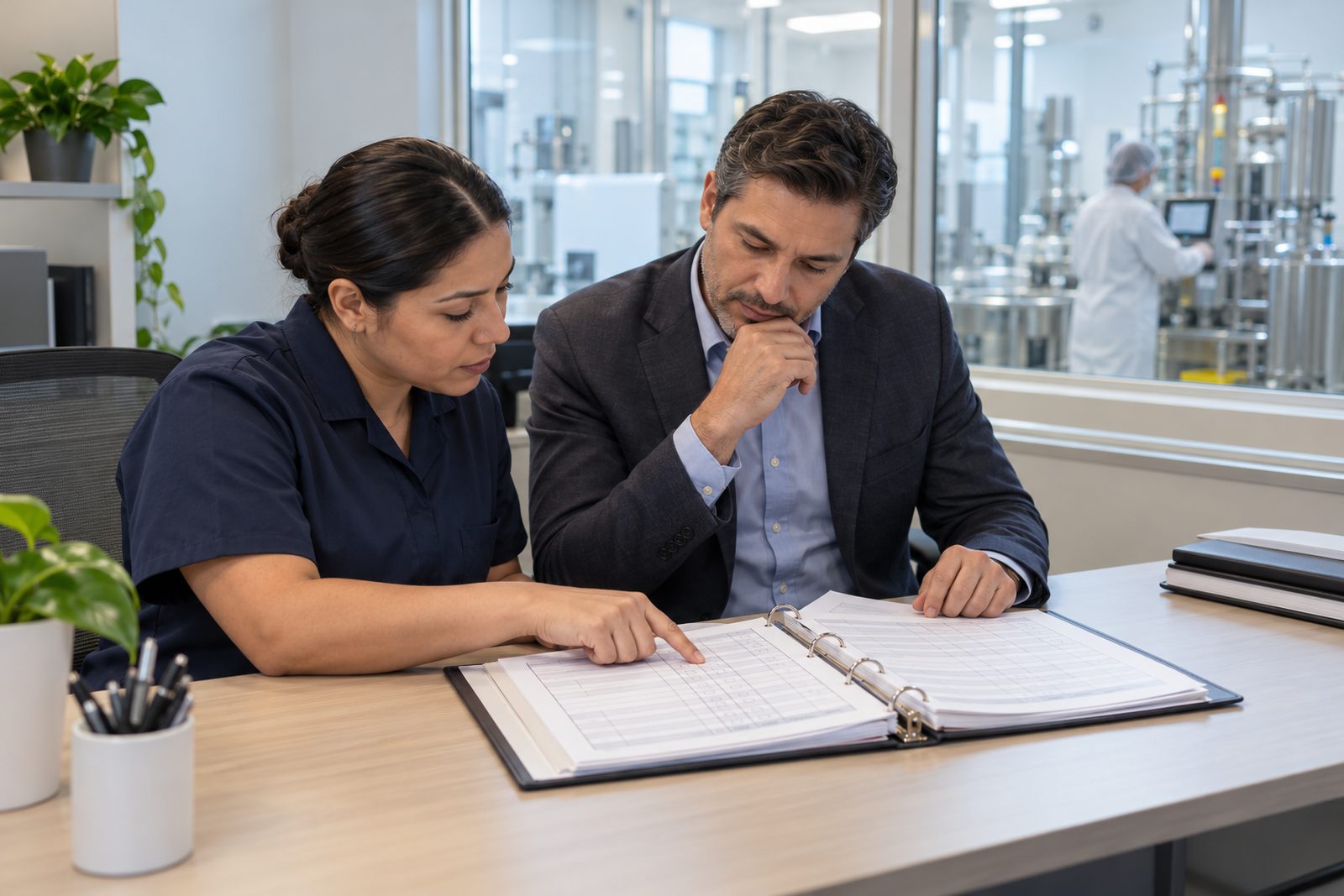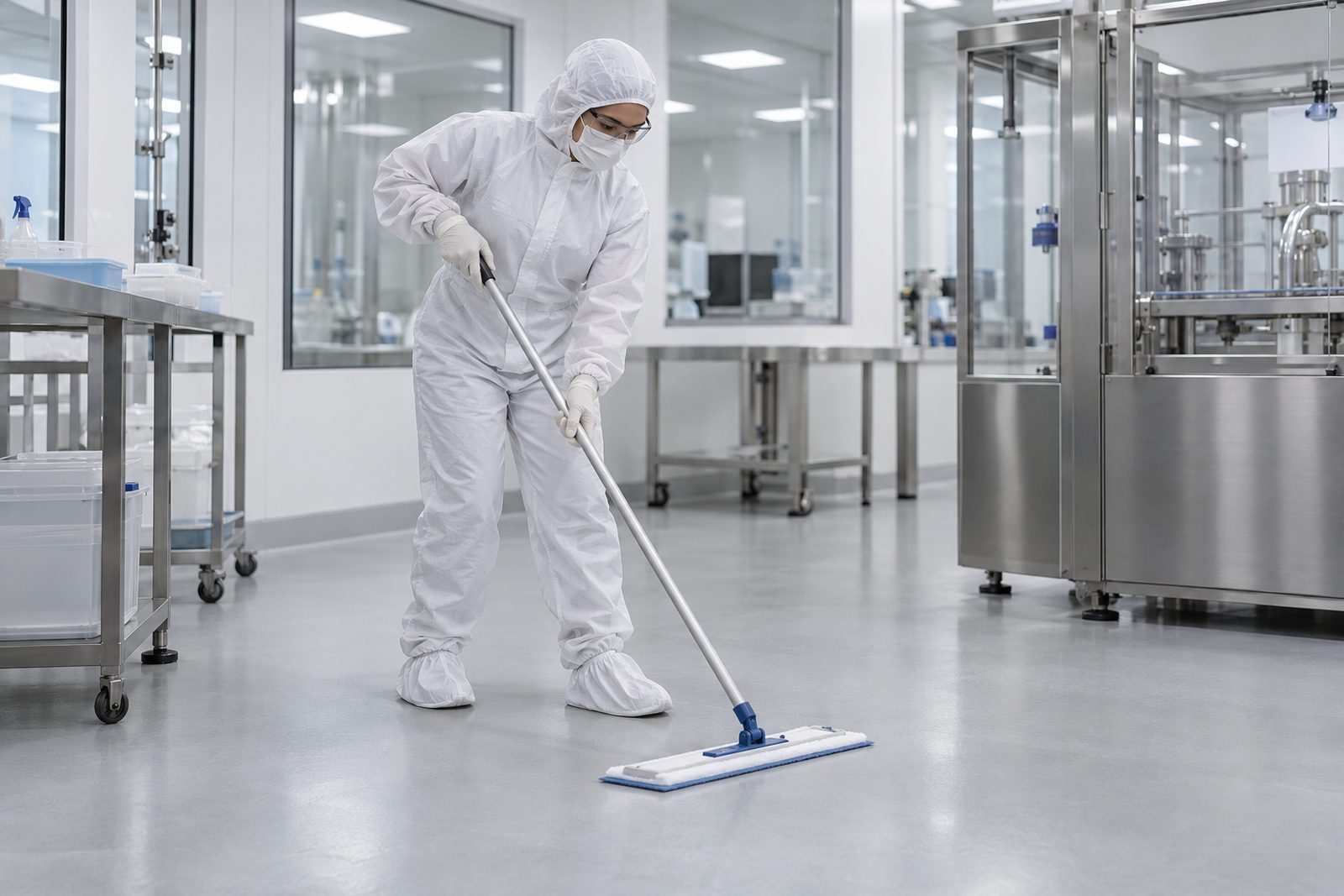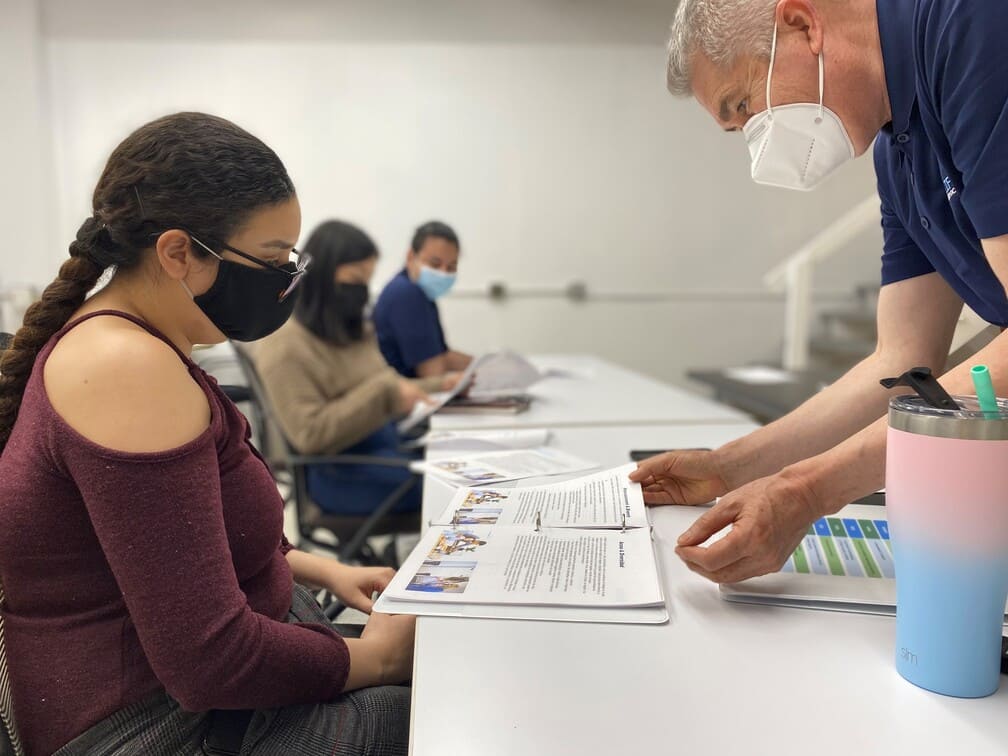
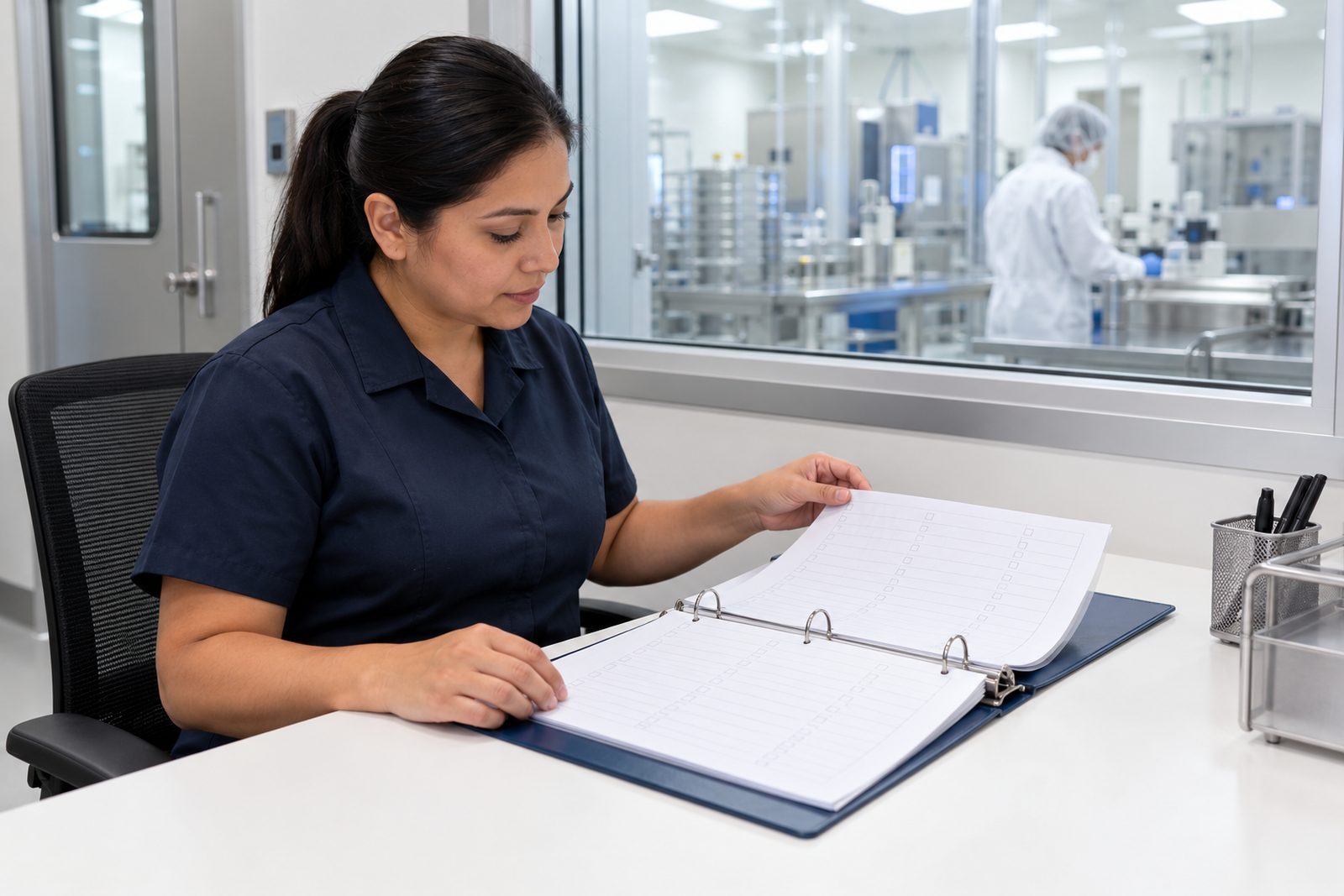
A log without deviations does not by itself establish process control. Review whether staff understand what to report, how to report it and when to escalate concerns.
What actually counts as a cleaning deviation
In a GMP or regulated environment, a cleaning deviation is any departure from the approved cleaning procedure, regardless of apparent impact. This includes:
- A cleaning event that was missed or performed outside its required frequency window
- An agent used at the wrong concentration, past its prepared-solution expiration, or outside its approved application zone
- Steps performed out of the required sequence (cleaning skipped before disinfection, for instance)
- A required dwell time shortened — whether due to scheduling pressure or a misunderstanding
- Cleaning performed by an operator who was not qualified to the current SOP version
- A verification step (second-person check, post-clean surface sample) that was skipped or delayed
Report departures through the approved quality procedure even when an immediate correction is possible. The quality team should assess impact and determine the investigation needed.
Documenting at the time of discovery
Record a departure when it is identified, following the site procedure. If an entry is late, disclose that fact and distinguish the time of the event from the time of documentation.
The deviation record should capture: what was observed, when it was observed, who observed it, the immediate action taken (re-clean, quarantine, notification), the lot or batch numbers of any materials potentially affected, and the name of the QA person notified. This is the factual foundation on which root-cause analysis and CAPA will be built.
Escalation thresholds
Not every cleaning deviation carries the same risk, and a well-designed deviation system defines escalation thresholds that distinguish between a documentation gap requiring a correction and a potential contamination event requiring product disposition review. Typically, escalation criteria include: deviations in ISO-classified spaces, deviations affecting equipment that contacted product since the last confirmed-compliant cleaning, and repeated deviations of the same type within a defined window.
Report the issue and follow the approved safety and escalation procedure. Preserve evidence where safe. Obtain direction on sampling and recleaning; immediate hazard controls may take priority.
Root-cause analysis that goes deep enough
Assess potential causes such as scheduling, staffing, training, unclear instructions and material availability. Let the evidence determine the cause rather than selecting a familiar explanation.
If an investigation identifies operator error, examine the surrounding conditions too. Review procedure clarity, training, workload and materials. Define corrective actions based on the supported causes.
CAPA: closing the loop without reopening it
Define an effectiveness check for the corrective action, with an owner, acceptance criteria and timing. This might include record review, relevant monitoring data or observation of the task.
Document the effectiveness assessment and any follow-up required. Close the action under the quality procedure only when the defined closure requirements are met.
Agree on reporting responsibilities and escalation contacts before service starts. See our quality and compliance approach and our GMP cleaning page to discuss your requirements.