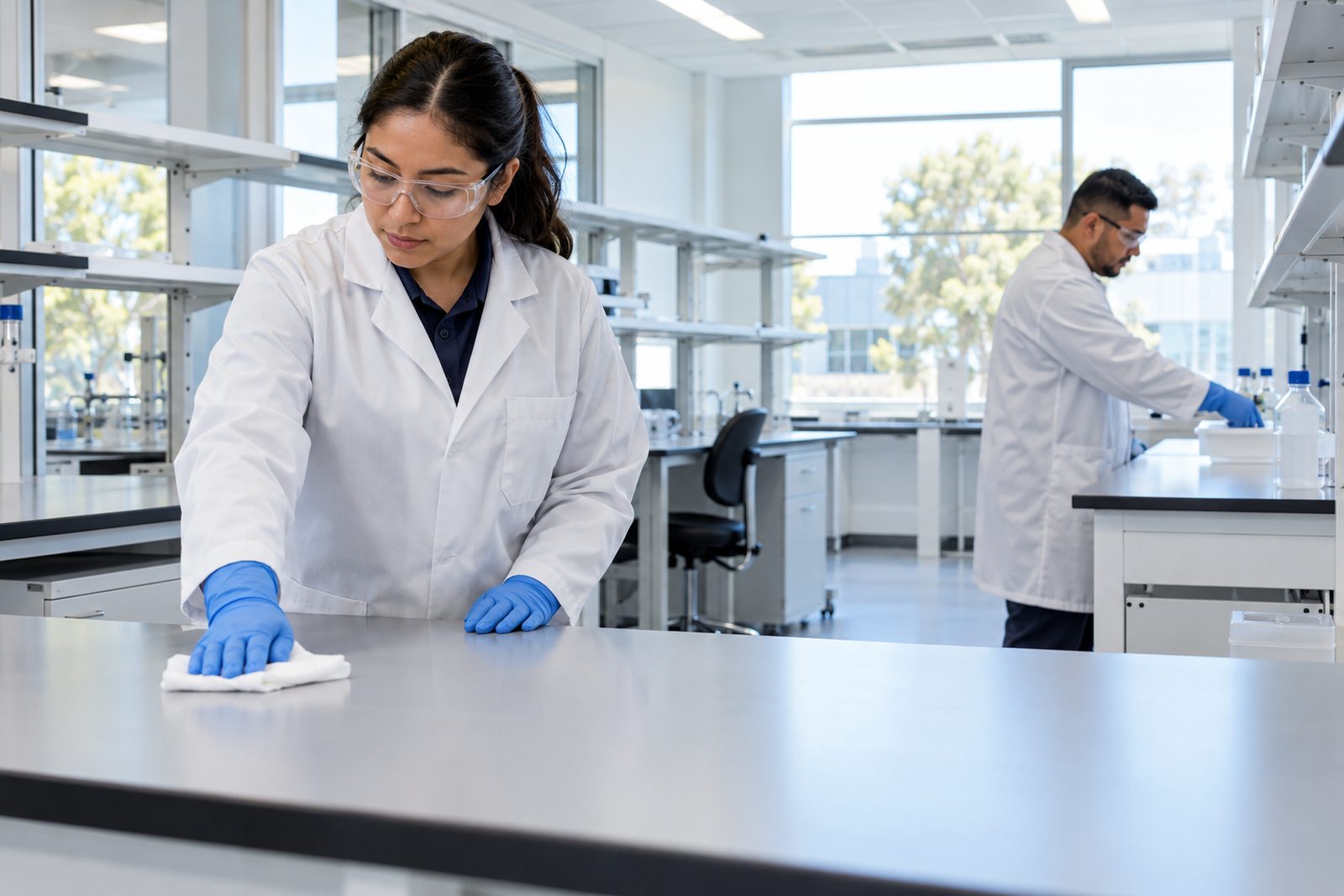
Suppose a biotech is moving from shared space into a dedicated laboratory after a funding round. Include cleaning, access and waste-handling requirements in the buildout plan.
You raised — now the lab is real
A dedicated laboratory needs a site-specific assessment of biological and chemical hazards, access controls and waste routes. Funding stage alone does not determine whether GMP applies. Base the facility program on the work being performed.
Assign owners for cleaning, waste and access during design. Review how the program will need to change if the process or regulatory scope changes.
Scope cleaning sops before you need them
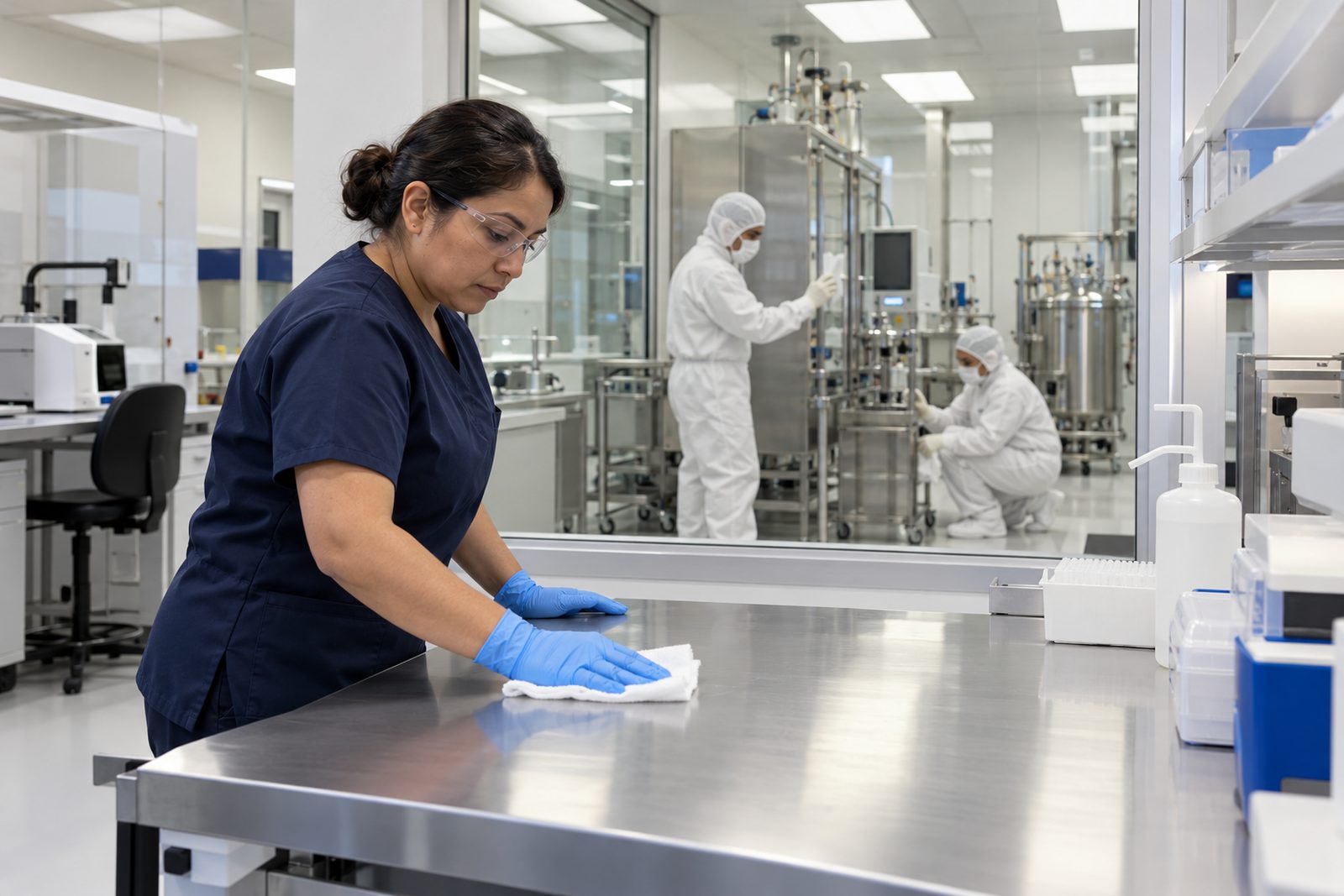
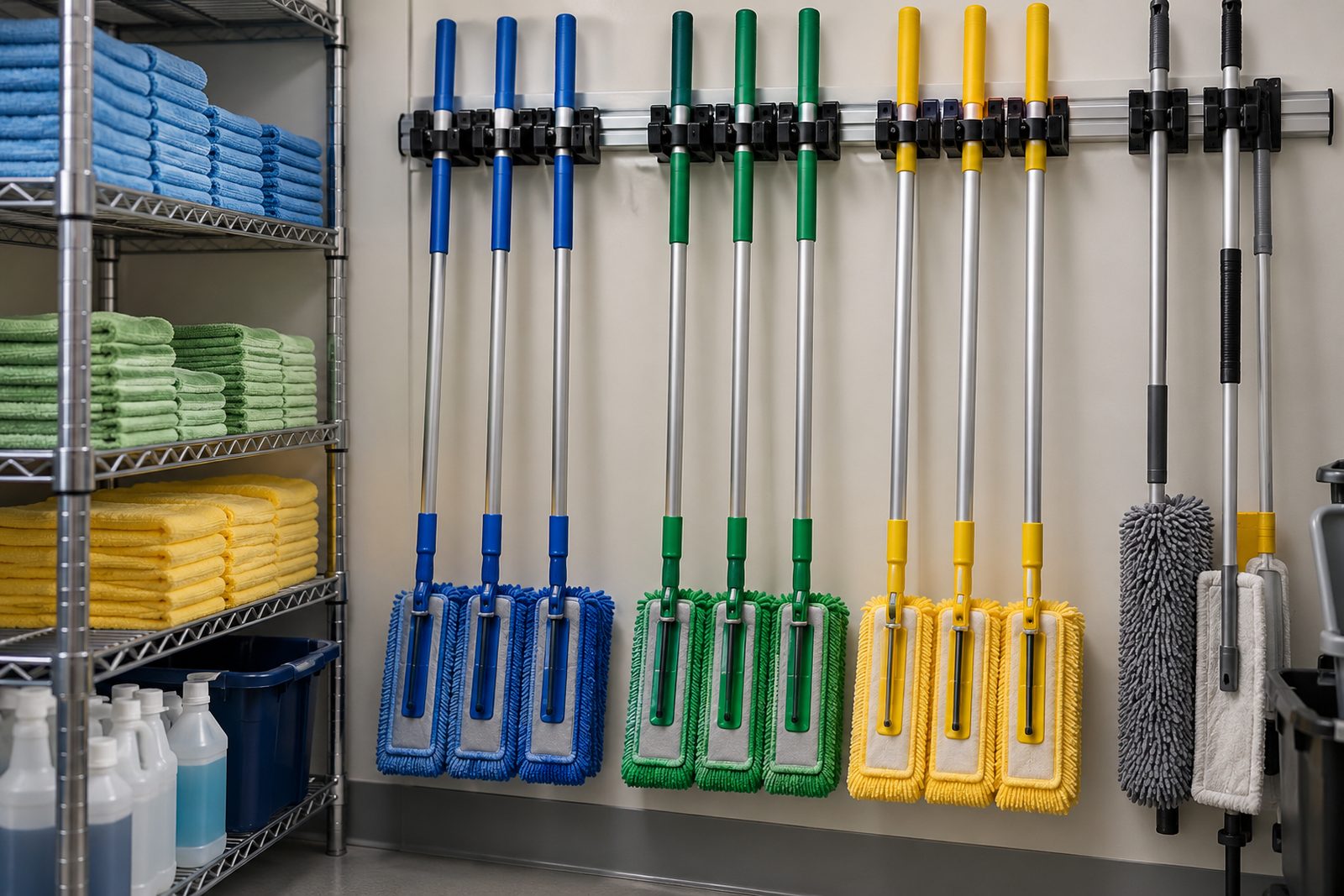
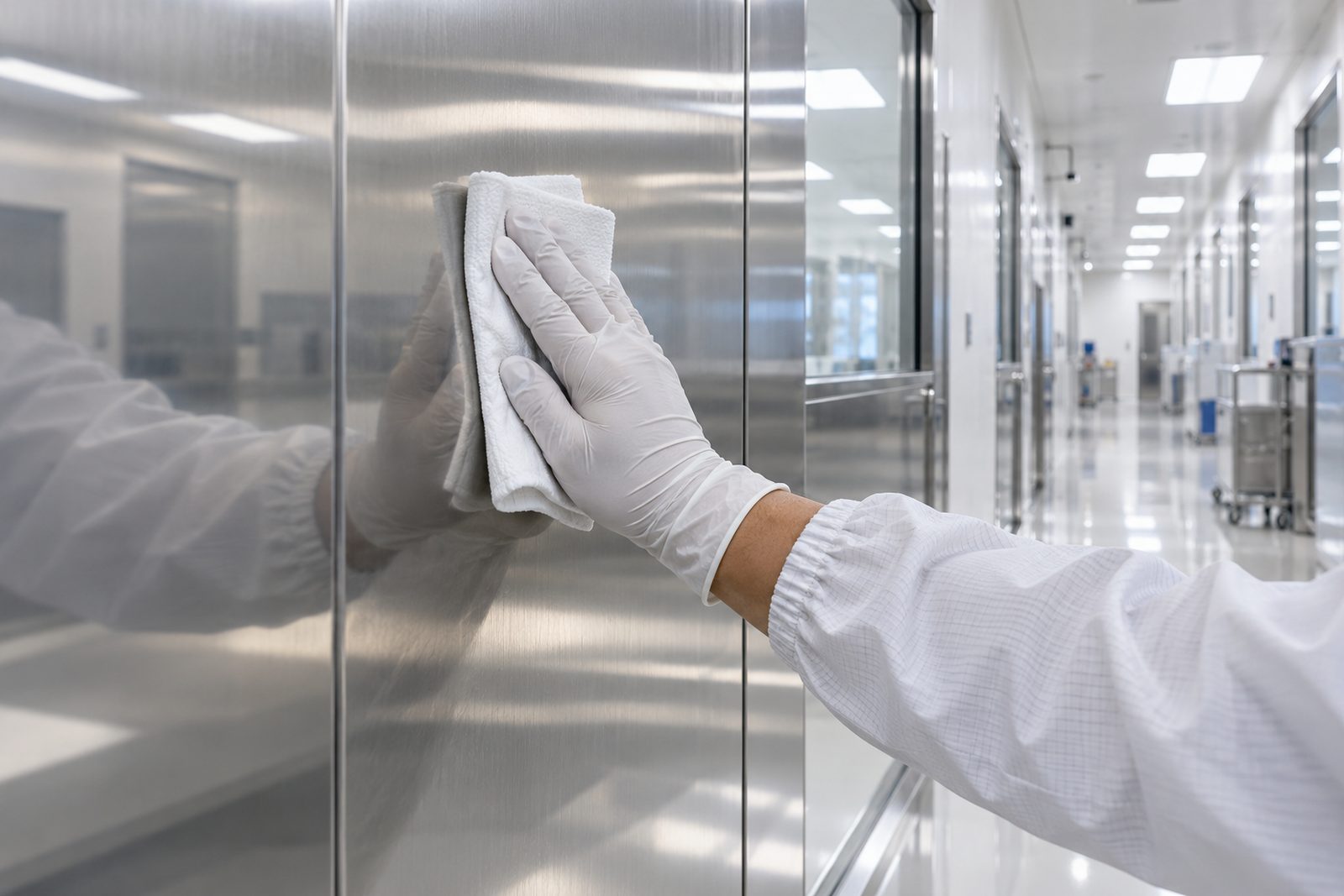
Document cleaning responsibilities before routine work begins. Identify the areas, surfaces, agents and frequencies through the site assessment. Review informal practices before adopting them as procedures.
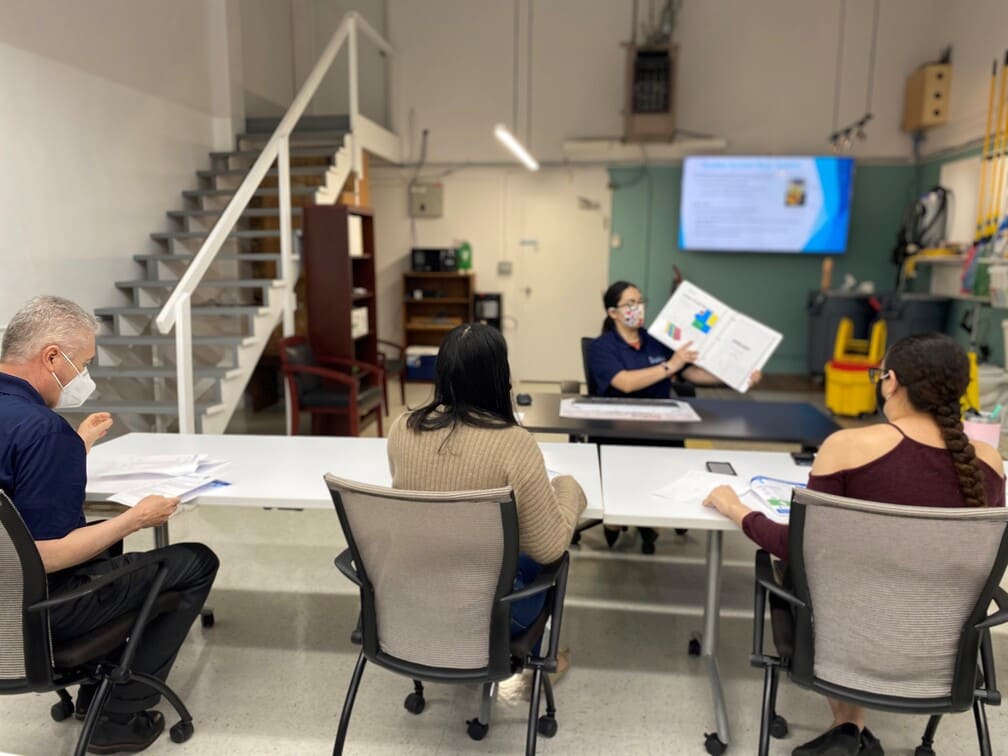
Scope procedures during buildout. Separate office work from tasks involving laboratory hazards. The biosafety officer should approve containment-area methods. If GMP manufacturing is planned, involve the quality team in defining future requirements.
Waste streams and access: get it right early
Identify the waste generated by the actual work. Define segregation, containers, storage and authorized handlers under applicable requirements. Confirm that cleaning staff understand their permitted tasks and escalation contacts.
- Map your waste streams during space design, not after the first pickup is missed
- Confirm that your facility-services partner has trained, documented experience with biohazardous and chemical waste handling in California-regulated environments
- Establish access control for lab areas from the start — cleaning crews should have documented, approved access with sign-in logs that QA can review
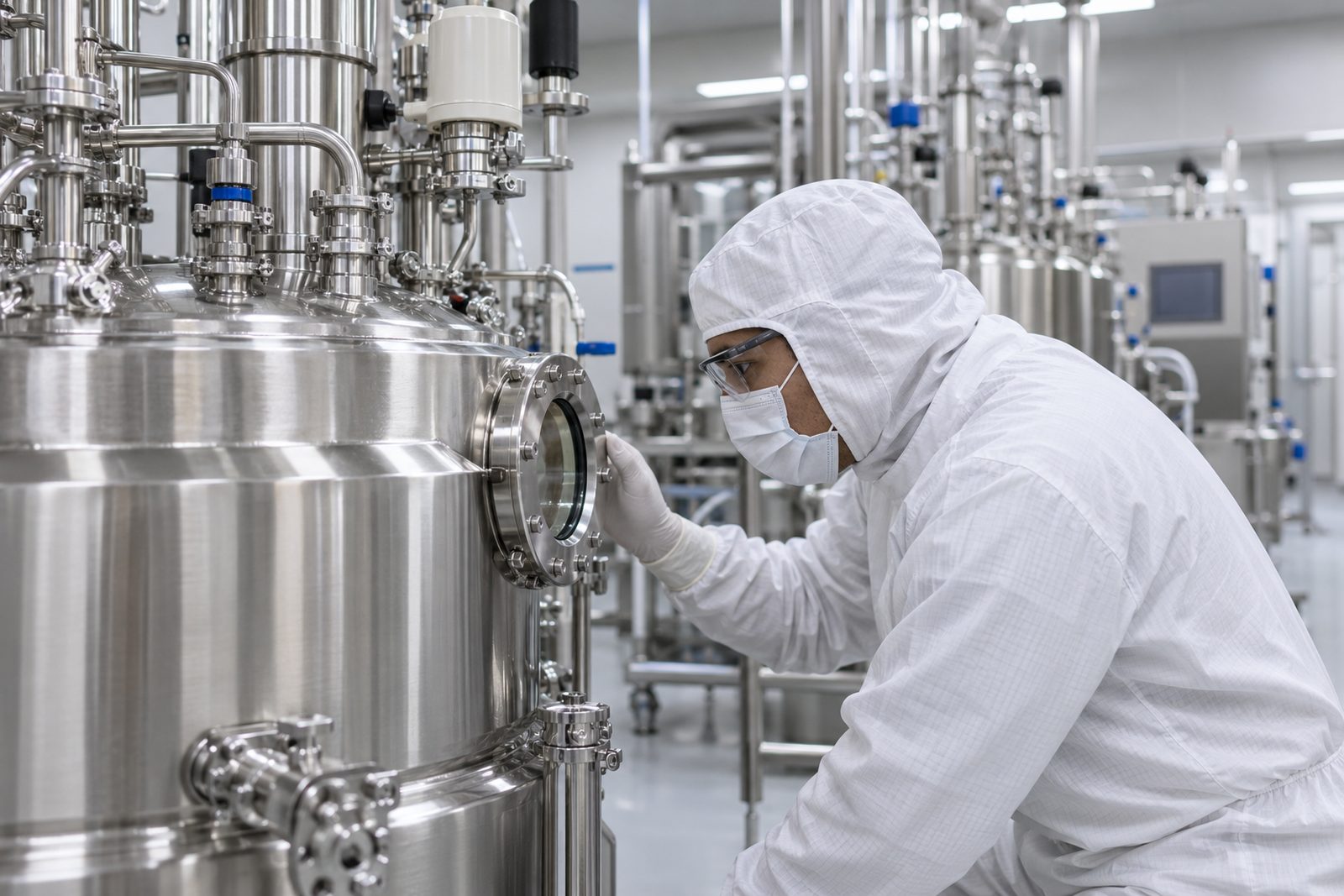
- Define restricted zones clearly: biosafety cabinet interiors, active cell culture hoods, and instrument work areas need explicit "do not touch" designations with visual cues
Review access and waste procedures with the responsible safety personnel before occupancy. Check that containers, signage, training and pickup arrangements are in place.
Day-vs-night operations and documentation
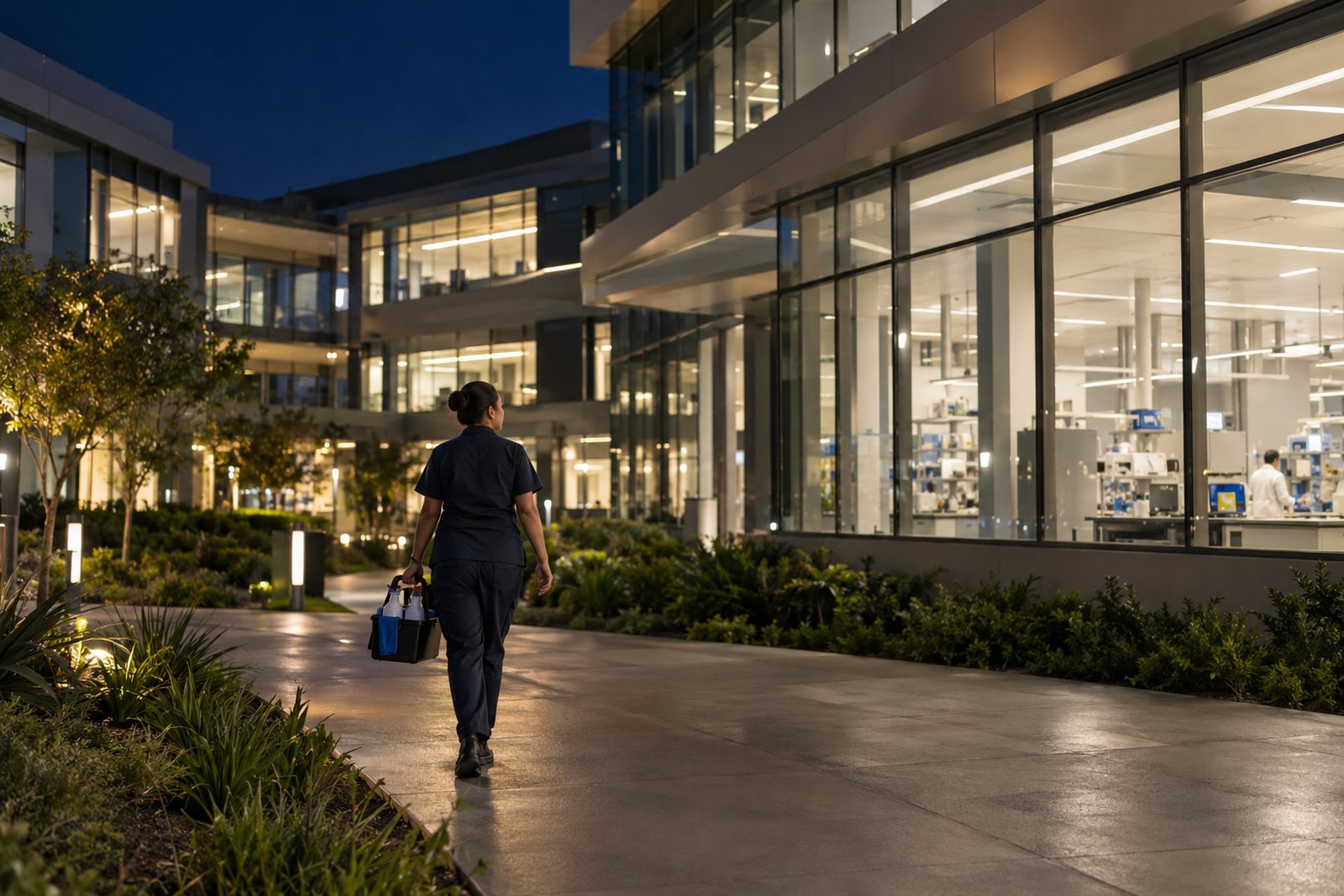
Set the cleaning schedule around actual operations. Day porter coverage can address the agreed common-area scope. Laboratory cleaning needs an authorized window and confirmation that the area is ready for the assigned work.
Define records for the applicable cleaning activities, including area, time, personnel, agents and departures. Agree how quality staff can retrieve and assess those records alongside monitoring where relevant.
Scope and budget planning
Funding stage does not determine the required controls. Assess the work, hazards and applicable requirements, then choose a service scope that can be revised as those conditions change.
Include future cleanroom cleaning programs in planning when the facility scope calls for them. Assign qualification and training responsibilities before the relevant operations begin.